
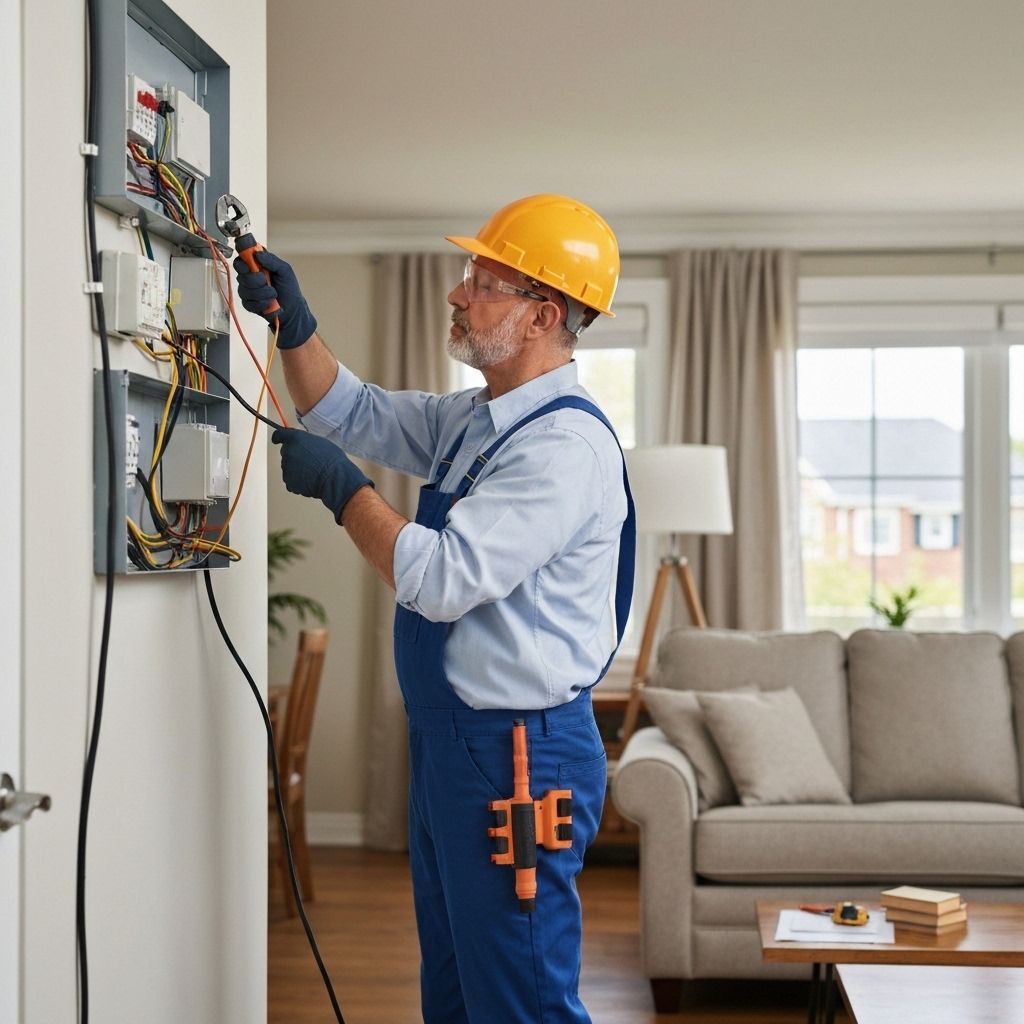
Electrical safety is paramount in every home. Understanding basic electrical safety practices can prevent accidents, fires, and potentially save lives. Here are the essential tips every homeowner should know.
1. Regular Electrical Inspections
Schedule professional electrical inspections every 3-5 years, or more frequently if your home is older than 25 years. A qualified electrician can identify potential hazards before they become serious problems.
2. Never Overload Outlets
Overloading outlets is one of the most common causes of electrical fires. Use power strips with built-in circuit breakers, and avoid daisy-chaining multiple extension cords together. If you frequently need more outlets, consider having additional ones professionally installed.
3. Watch for Warning Signs
Be alert to these danger signals:
- Flickering or dimming lights
- Burning smells near outlets or switches
- Warm or discolored outlet covers
- Buzzing sounds from electrical panels
- Frequent circuit breaker trips
4. Keep Water Away from Electricity
Never use electrical appliances near water sources. Ensure all bathroom and kitchen outlets are GFCI (Ground Fault Circuit Interrupter) protected. These special outlets can detect electrical imbalances and shut off power instantly.
5. Use the Right Wattage
Always check the maximum wattage rating on light fixtures and lamps. Using bulbs with higher wattage than recommended can cause overheating and potentially start fires.
6. Childproof Your Outlets
If you have young children, install tamper-resistant outlets or use outlet covers. These simple devices can prevent serious injuries from curious fingers.
7. Respect Your Electrical Panel
Keep the area around your electrical panel clear and accessible. Never store flammable materials nearby. Label all circuits clearly so you can quickly shut off power in an emergency.
8. Know When to Call a Professional
While some minor electrical tasks are DIY-friendly, most electrical work should be left to licensed professionals. Call an electrician if you experience persistent problems, need new circuits, or are planning any major electrical work.
Conclusion
Electrical safety isn't just about following rules—it's about protecting your family and property. By implementing these safety practices and staying vigilant, you can significantly reduce the risk of electrical accidents in your home.
At WikiVolt, we're committed to keeping your home safe. Contact us today for a comprehensive electrical safety inspection.